


Do students really “hate” some teachers?

By Francesca M.
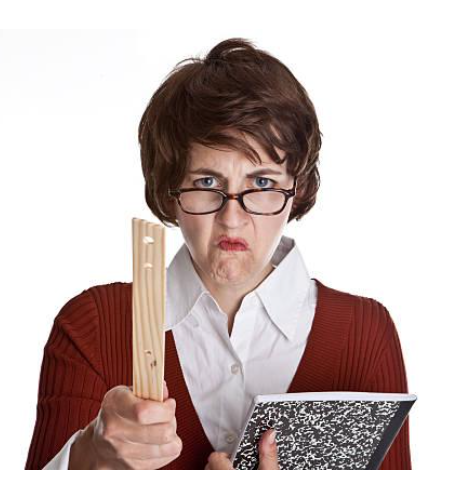
A lot of teachers are loved. Even more are respected. But the word about some gets thrown around in the hallways like it is nothing: “I hate her.” “He’s the worst.” “I’d rather just skip that class.”
Students use the word “hate” casually, almost automatically, even. But what is it really about when a student says they hate a teacher? Is it actually about personality, strict rules, too much homework, or something deeper?
We don’t spend enough time asking why the people who are meant to teach us sometimes become the ones we strongly resent the most. When you start digging into it, the answers aren’t always about hatred. They are about expectations and what students feel like they’re missing.
Or maybe the real issue isn’t about who students dislike, but about the actions and environments that make school feel frustrating or unfair. Is there a way to recognize those issues before dislike turns into “hate”?
At Mountain Range High School, students said the word “hate” usually connects to how they feel treated, not just how hard a class is. A lot of them said problems start when they feel misunderstood. Perla P., a sophomore, said some teachers miss what students are going through. “Like emotions,” she said, explaining that struggling students are sometimes judged too quickly.
Students also talked a lot about respect and how teachers show it. Perla also said respect looks like teachers “helping in class, being respectful, not yelling at you for no reason” and checking if students are okay. Students said when teachers stay calm and helpful, they are more likely to participate and put in effort.
Sophomore Alexis M. connected student motivation directly to a teacher’s attitude and energy. He said personality can quickly change how students feel about a class. “If the teacher has no energy to teach, then you have no energy to learn,” he said. He explained that when a class feels dull or tense, students shut down.
Alexis also said teachers sometimes forget that students learn in different ways. “Everybody’s different,” she claims. He believes students respond better when teachers try to work with them and adjust instead of using the same approach for everyone. That effort, he said, builds respect both ways.
Strict teachers are not always disliked, but students said strict and hard to talk to is a rough combo. Kiara R, a sophomore, said very rigid classrooms can feel stressful. “It feels like you can’t let yourself relax in that class,” she said. She added that when teachers seem unapproachable, students hesitate to ask questions and fall behind.
Still other students described how repeated negative interactions with one teacher changed how they felt about that class. They shared stories about asking simple questions after being absent and getting answers that felt dismissive instead of helpful. They also talked about very strict timing and classroom responses that felt embarrassing; the pattern of complaints was consistent: They said students want to be corrected, but not talked down to. When a teacher’s tone feels disrespectful, students stop trying and stop participating. They also said teachers sometimes assume students are careless, when in reality they are dealing with things outside of class. Their comments matched what other students said about respect and approachability mattering most.
Most students interviewed were not trying to attack teachers as people. They understand the job is stressful and not easy. What they kept coming back to was fairness, patience, and being treated with basic respect. At MRHS, when students say they “hate” a teacher, it usually points to a negative experience, not real hatred. Looking at those patterns gives schools something more useful than complaints. It gives them feedback.


