


Rethinking Drug Consequences at MRHS

By Francesca M.
Mountain Range High School has an obvious drug problem. We can all agree that the top priority is keeping students safe and healthy. But should suspensions be the go-to consequences for drug related offenses at MRHS, or are we missing an opportunity for education and change?
Suspension definitely seems like the easiest, most straightforward solution, but honestly, it doesn’t really fix the bigger problem. Punishing someone doesn’t teach them why they did something wrong. Instead, MRHS could put more energy into things like student programs or counseling, anything that actually helps kids make smarter choices. After all, just sending students home doesn’t really make them think about what they did.
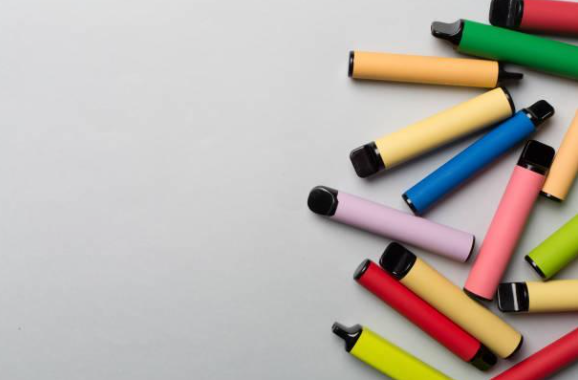
In reality, a lot of students have been caught with vaporizers or other substances, but that doesn’t automatically mean they all deserve a suspension. Most of them aren’t trying to break the rules or cause trouble on purpose. They’re just curious, making mistakes, or giving in to peer pressure. Suspension takes them out of class, makes them feel judged, and it doesn’t really solve anything.
While rules might seem simple on paper, in reality, suspension hits students way harder than anyone realizes. For example, kids who are in sports end up missing games, those who are in clubs lose privileges or get kicked out, and they do not get the opportunity to hang out with friends after going through the drama once their family hears the news. Honestly, the list is endless. Instead of helping, it just makes life more stressful and unfair for students.
A few MRHS students, who chose to remain anonymous to keep their identity private, shared their experiences. They opened up about either their opinion or experiences with drug-related discipline. Because they are the ones actually going through it, they explain what happened to them and how it affected them, showing the real impact of the policy.
One anonymous sophomore who was suspended, for instance, described the situation as feeling really “unfair because I wasn’t actually… smoking,” explaining that her friend was the one to hand her the device. In addition, she mentioned that “my grades went down because I missed school… it brought my mood down.”
Her experience shows that suspension does not just punish students for breaking the rules: it can mess with other things, like schoolwork and their mood. Missing classes makes it harder to keep up with homework and tests, and falling behind can make students feel stressed and frustrated. Instead of helping them do better, suspending them only makes things harder.
Similarly, the same student mentioned that she thought suspensions failed to change behavior. She stated, “No, because it does not change anything,” when asked if the punishment was effective, pointing to “peer pressure” and the fact that substances are “all around schools” as part of the reason. In fact, instead of bringing the drug issue to a stop, she believes it makes students “even more secretive.” She even brought up how she still sees people “using” in the bathrooms.
If suspension is just making students hide what they’re doing instead of actually stopping them, then the rule might be making the problem worse instead of helping. Students might sneak around, lie, or find ways to get away with it, which can create even more trouble. This is why MRHS should think about other ways to handle the situation, like offering more counseling and chances to talk openly, instead of only punishing students.
Finally, a different sophomore agreed that the punishment is not effective: “To be honest, no,” she said when asked if it would stop students from using substances, explaining that people will always “keep on doing it.” Instead, she believes that the school should start to try talking first and knowing the students’ side of the story, rather than immediately suspending students.
All of these student stories show that suspension usually doesn’t actually fix the problem and can even make things worse. Sending students back home and just punishing them does not teach them how to make better decisions: it keeps them behind in school, stressed out, and a lot of the time they grow to be more secretive about what they are doing.
Some people may argue that suspension is necessary to set clear rules and show students that breaking them has serious consequences. Campus security officer, Leticia Meraz, who often catches students vaping, does not play around and takes the problem very seriously. She says that getting vaping out of the way will allow students to get back on track, specifically for graduation.
While her intentions are important and rules do matter, the students’ stories show that suspension does not actually fix the issue of MRHS students using drugs. It does not teach as many lessons as some may expect, it actually causes stress, failing grades, even more sneaky behavior and probably worse. So even though discipline has a purpose, suspension is a harsh punishment by itself and is not the best way to solve problems like this. Supporting students and helping them learn from their mistakes is far more effective.
For example, talking with students, giving them guidance, and helping them deal with peer pressure could actually teach them how to make smarter choices. Students should not be approached with a punishment, they deserve help to get better and not a scolding to make them feel bad about a mistake.


